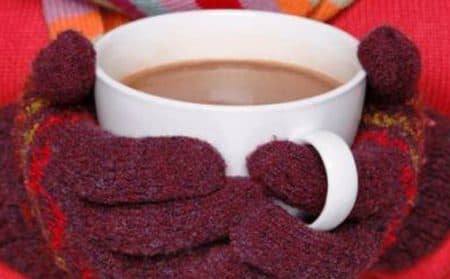
During winter a common tendency is to bundle up, keep warm and stay indoors. Motivation to exercise dwindles, and meal routines become less strict. By the time the summer months arrive most people are desperately trying to undo their winter indulgences hoping to be ‘beach ready’. Ideally we should aim to maintain our physiques despite giving in to these winter tendencies.
Winter comfort foods tend to be energy dense due to the ingredients used. For someone who is trying to control their total energy intake to prevent weight gain, or to achieve weight loss, energy dense meals are going to push up their daily energy intake. Foods and ingredients high in fat contain a large amount of energy. To put it in perspective; 1g of fat provides 9kcal whereas 1g of carbohydrate or lean protein only provides 4kcal. Things like butter, cream, oils and coconut milk, to name a few, used in many of our winter meals, add extra unnecessary energy that we could quite easily do without.
So, even if exercise takes a knock, food choices can be the main determining factor in maintaining body composition throughout winter.
Here are a few ideas;
- For a warm, creamy breakfast meal cook rolled oats in fat free milk. Cooking the oats in milk gives them a sweet, creamy taste so you do not need to add sugar or honey. Plus it increases the protein content of the oats.
- Make homemade soups with vegetables and chicken, then freeze into meal size portions. Bulk up your soups with lentils or legumes. Do not add cream, butter or oils when cooking.
- For stews, curries or mince dishes; remove chicken skin before cooking, and trim off all visible fat from red meat as well as braise it on its own first so that any additional fat can be strained off. Use vegetables, beans and legumes to bulk up the sauce. Do not add any cream, butter or oils when cooking.
- Instead or adding butter, cream or oils to foods for flavour, experiment with various fresh or dried herbs and spices.
- Use low fat evaporated milk to make sauces instead of cream; this can be done for both savoury and sweet dishes.
- Freshly popped popcorn is a good movie snack instead of chocolates and chips. Avoid the microwave bags and don’t add melted butter. Simply flavour with salt.
- Instead of reaching for hot chocolate, Horlicks or Milo, use cocoa powder and fat free milk to make a warm chocolate drink. A small amount of honey or sugar should be added to taste. Alternatively use a natural sweetener like xylitol or stevia.
- Opt for filter coffee instead of cappuccinos and lattes.
Whether sweet or savoury there will always be a way to make a meal healthy or less energy dense. One just needs to think out the box and be creative with recipes. It definitely helps to be able to identify where potential problem foods are so that you can plan ahead and seek alternatives.
Enjoy!
Article Credit:
Kerryn Gibson, Dietitian Durban (Kerryn is a registered dietitian in private practice in Durban working as a paediatric dietitian and a sports dietitian)